
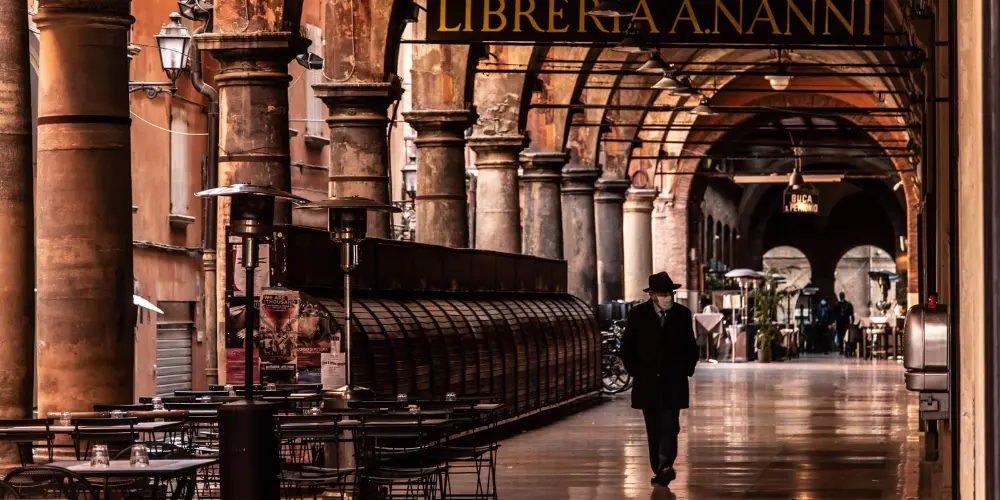
wander beneath bologna’s famous porticoes
One of Bologna’s most distinctive features is its extensive network of porticoes. These covered walkways stretch along streets, surround public squares, and connect historic buildings, offering shelter from rain and chilly weather. They are not simply architectural decorations but an important part of daily life in the city.
Walking beneath the porticoes allows visitors to appreciate Bologna at a relaxed pace. Terracotta facades, traditional shopfronts, small cafés, and elegant arcades create a continuous streetscape that feels particularly inviting during the colder months.
Make time to explore the porticoes around the city center and along Via Zamboni, where university buildings and historic streets reflect Bologna’s long academic heritage. For an especially memorable walk, the Portico di San Luca leads uphill toward the Sanctuary of the Madonna di San Luca. The route is famous for its extraordinary length and succession of arches, although the climb can take time. On clear days, the elevated setting offers rewarding views over the surrounding landscape.
explore the medieval heart of the city
Bologna’s historic center is filled with medieval streets, grand squares, and architectural details that reveal its importance through the centuries. Piazza Maggiore is the natural starting point. Surrounded by historic buildings, it remains one of the city’s main gathering places and provides an excellent introduction to Bologna’s character. Bologna is just one of many historic cities worth exploring on a trip through Italy. Take a look at our tour covering some of the country’s most iconic destinations.
Nearby stands the Basilica of San Petronio, an imposing church that dominates the square. Its unfinished exterior is one of its most recognizable features, while its vast interior contains chapels and significant works of art. Take time to look closely at the façade and the surrounding square rather than simply passing through.
A short walk away, the Two Towers, Asinelli and Garisenda, recall the period when Bologna was filled with prominent medieval tower houses. They have become enduring symbols of the city. Access arrangements can change, so check current visitor information before planning a climb or expecting to enter the towers.
Taste the comforts of Bolognese cuisine
Food is central to Bologna’s identity, earning it a reputation as one of Italy’s great culinary destinations. The city’s traditional cooking is particularly appealing on cool days, when a long lunch in a welcoming trattoria becomes part of the travel experience.
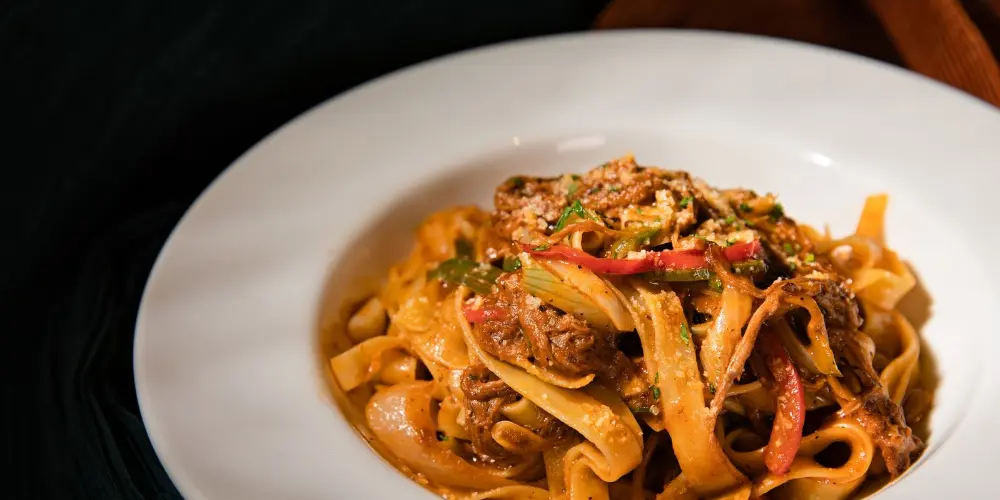
Begin with tagliatelle al ragù, fresh ribbons of pasta served with a slow-cooked meat sauce. Although often called Bolognese sauce outside Italy, the traditional local pairing is tagliatelle rather than spaghetti. Another regional specialty is tortellini, small filled pasta traditionally served in a rich broth. A steaming bowl makes a satisfying choice after a morning spent exploring the historic center.
Visitors should also look for lasagne verdi, made with green pasta sheets, and mortadella, the delicately seasoned cured meat associated with Bologna. For something quick, visit a bakery or deli for a slice of savory focaccia or a sandwich made with local ingredients. Discover more of Italy’s regional flavors and traditional dishes through our authentic dining experiences.
Discover Bologna’s University Heritage
Bologna is home to one of the oldest universities in the world, and its student population gives the city an energetic atmosphere even when the weather is cold. The university district offers a different perspective from the grand squares and monumental churches of the historic center.
Walk along Via Zamboni to see university buildings, bookshops, cafés, and streets filled with students. The area has a more everyday feel, making it a good place to experience Bologna beyond its most photographed landmarks.
The Archiginnasio of Bologna is another important stop for those interested in history and learning. Once the university’s main building, it features a remarkable interior decorated with coats of arms and historic inscriptions. Its Anatomical Theatre, where anatomy lessons were once conducted, offers a glimpse into the city’s academic past. Check opening times and access arrangements before visiting, as some spaces may have separate admission or temporary restrictions.
Enjoy the city’s Cafes and evening atmosphere
As daylight fades, Bologna becomes an inviting place for an unhurried evening. Warmly lit windows, covered walkways, and busy restaurants create a welcoming atmosphere around the historic center.
Find a café for an espresso or cappuccino, or choose a hot chocolate when you want something more indulgent. Italian cafés are often compact, and stopping at the counter can be a simple way to take a break between sightseeing.
For dinner, consider choosing a traditional trattoria on a side street rather than a restaurant directly beside the busiest attractions. You may discover regional dishes prepared with familiar local ingredients in a more intimate setting. Reservations are useful at popular restaurants, particularly on weekends.
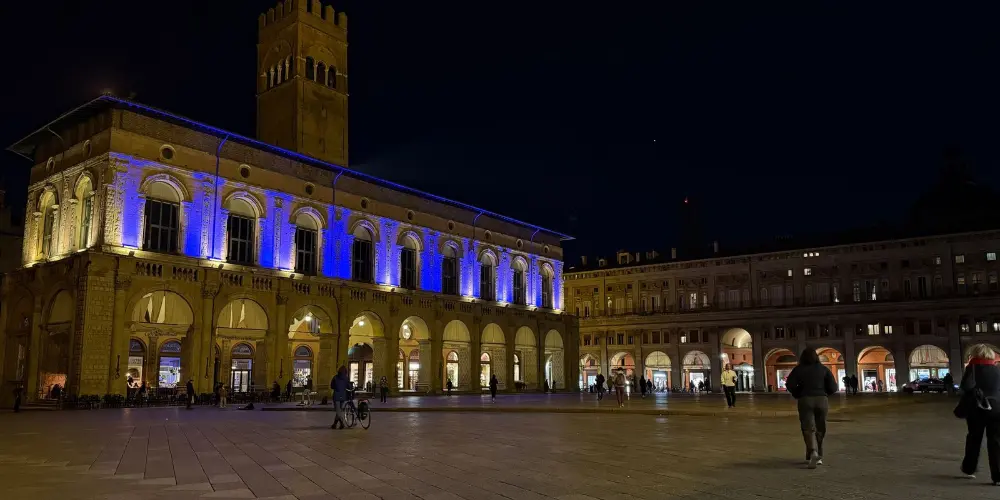
An evening walk through Piazza Maggiore and the nearby porticoes is also worthwhile. The illuminated architecture offers a different perspective from the daytime streets, while the sheltered routes make it easier to continue exploring if the weather turns damp. For more inspiration on seasonal escapes across the country, take a look at our selection of Italy’s most appealing cold-weather destinations.
Plan a comfortable visit to Bologna
Bologna’s cooler months call for practical planning rather than an overly packed itinerary. Temperatures can be chilly, and rain or fog is possible, so bring a warm coat, layers, and comfortable shoes suitable for walking over stone pavements. The porticoes provide considerable shelter, but they do not eliminate the need for weather-appropriate clothing.
Plan outdoor walks for the clearest part of the day and keep museums, churches, and historic interiors in mind as alternatives when the weather changes. Check opening hours in advance, since seasonal schedules and access to individual attractions may vary.
Bologna is also a convenient base for exploring Emilia-Romagna by train. If you have additional time, nearby cities such as Modena and Parma offer their own culinary traditions and historic attractions. However, Bologna itself deserves more than a brief stop: spending two or three days allows you to explore its architecture, food markets, university quarter, and lesser-known streets at a comfortable pace. If you’d like to experience more of Italy beyond Bologna, consider planning a personalized journey around the places that interest you most.

